You might notice your eyes feel uncomfortable, but it’s hard to put a finger on why. Dry eye often feels like a stinging, burning, or gritty sensation, as if sand is stuck in your eye. Understanding these common signs is the first step toward finding comfort. A comprehensive eye examination is the best way to determine the root cause of your dry eyes.
Dry eye is more than just dryness: it’s a collection of feelings that can get in the way of your day. These symptoms can show up when your eyes are not getting the moisture they need, but effective dry eye therapy can provide relief.
Common Signs and Symptoms of Dry Eye
Your eyes have a way of telling you when something is not right. The symptoms often affect both eyes and can range from slightly annoying to a significant disruption when you experience dry eye. You might feel:
A stinging or burning sensation
A scratchy or gritty feeling
Ovely watery eyes
Stringy mucus in or around your eyes
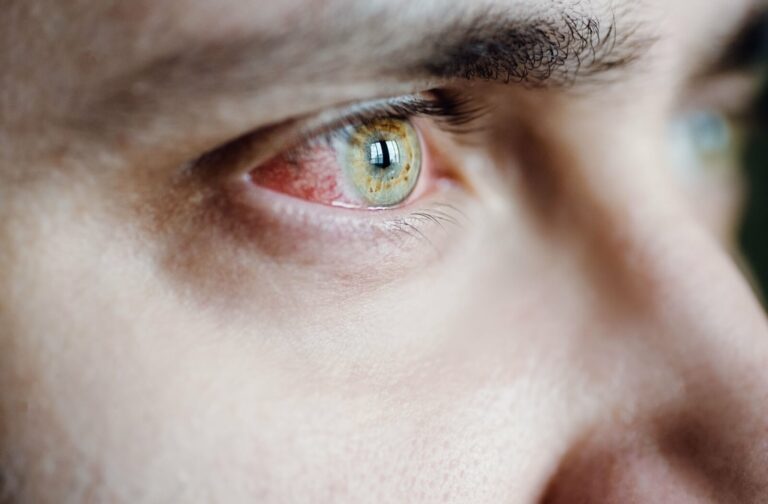
Redness or irritation
Sensitivity to light
Difficulty with nighttime driving
Discomfort when you wear contact lenses
Common Causes of Dry Eye
That gritty, sore feeling happens when your tears cannot properly lubricate your eyes. This feeling typically stems from an imbalance in your tear film, a thin layer that protects the surface of your eye. According to the National Eye Institute, a healthy tear film needs a balance of oil, water, and mucus.
Not Enough Tears
Sometimes, your eyes don’t produce enough tears. This lack of tears can be related to age, certain health conditions, or even some medications. Without enough of the watery part of your tears, the surface of your eye is not properly protected.
Low-Quality Tears
You may produce plenty of tears, but if they are missing key ingredients, like enough oil, they evaporate too quickly. This issue is often related to meibomian gland dysfunction, and leaves parts of your eye unprotected. This exposure leads to the uncomfortable symptoms of dry eye.
Your Environment and Habits
Your surroundings play a significant role. Factors like wind, smoke, or dry air can cause tears to evaporate faster. Long hours at a computer can also contribute because you tend to blink less often when you focus on a screen.
Risk Factors for Dry Eye
While anyone can experience dry eye, certain factors can increase the likelihood. Knowing what they are can help you understand why your eyes feel the way they do.
Age: Tear production can decrease as you get older, making dry eye more common in people over 50
Hormonal changes: Women may experience dry eye symptoms during hormonal shifts associated with pregnancy or menopause
Contact lenses: Wearing contact lenses can sometimes interfere with the tear film and contribute to dryness
Diet: A diet low in vitamin A or omega-3 fatty acids may affect eye health, highlighting the importance of proper eye nutrition