Simplifying Eye Diseases for Our Patients
There are a number of conditions related to your eyes and vision that can have serious effects. Some of the most common eye diseases include glaucoma, macular degeneration, cataracts, and diabetic eye disease.
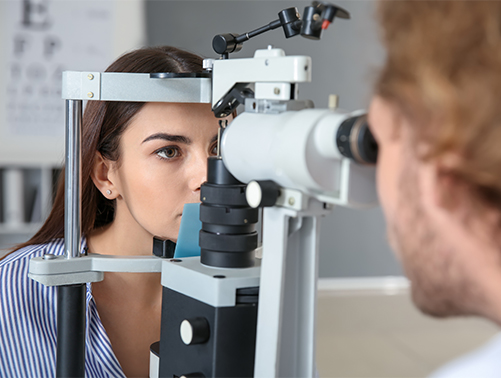
We aim to help our patients understand eye disease through hands-on treatment with regular eye exams. During our eye exams, we use diagnostic technology, such as optical coherence tomography angiography (OCTA) and fundus photography, to get a full picture of your eye health.
We are experienced with detecting, monitoring, and co-managing eye disease issues. Contact us to schedule your appointment today.
Request an Appointment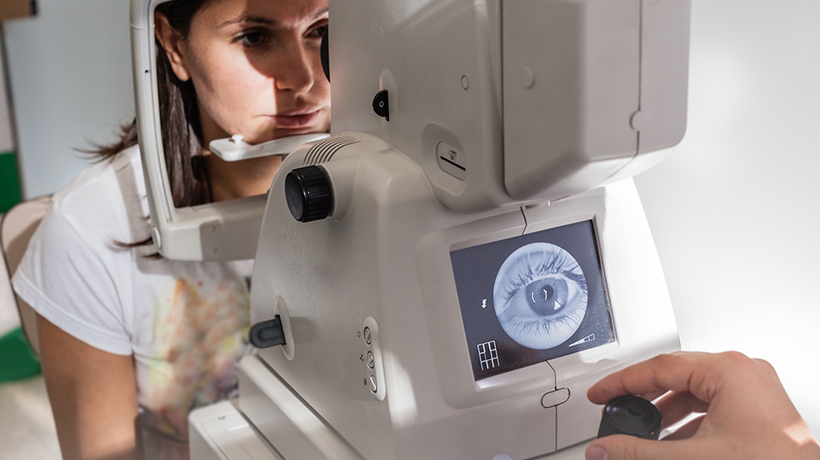
Early Detection for Early Treatment
Consistent eye exams are for more than just updating your prescription—they also allow us to catch eye diseases early by providing an opportunity to detect abnormalities or signs of potential problems before your vision is affected.
Regular eye exams are essential and allow our team to get a head start on finding solutions to help protect your sight and eye health.
Our Eye Disease Technology
Technology is implemented throughout our practice and plays a big role in the management of eye diseases. Your experience is our priority, and when you visit us, you can expect a detailed eye exam that involves using advanced diagnostic equipment.
The diagnostic stage for eye disease management focuses on imaging and getting a closer look at the details of your eyes. We want to get all the information we can to create the right treatment plan for your needs and recommend referrals when necessary.
Optical Coherence Tomography Angiography (OCTA)
Optical coherence tomography angiography (OCTA) helps our doctors get detailed images of the blood vessels in your eyes, helping us diagnose and keep track of various eye conditions.
Using this noninvasive technology, we can take a close look at retinal and choroidal blood vessels to catch diseases like macular degeneration, diabetic retinopathy, and glaucoma early on. By analyzing high-resolution images of your eyes, we can look at blood flow patterns, spot any issues, and create an individualized treatment plan just for you.
Fundus Photography
Fundus photography is a powerful imaging tool that can help our team capture detailed images of the back of your eye, including the retina and optic nerve.
By examining these images, our doctors can detect and monitor conditions like macular degeneration, diabetic retinopathy, and glaucoma. Fundus photography can be an important part of detecting any abnormalities or changes in your eye health as we create your personalized treatment plan.
The Different Forms of Eye Disease
Eye diseases and their different forms can be intimidating and challenging to manage, but the good news is that you’re not alone.
We want to help our patients understand the different forms of eye diseases, some of their early symptoms, and the importance of regular eye exams for early detection. Bethel Vision Care refer you to different specialists, and we also offer pre-surgery consultations and post-op care for our patients
Glaucoma
Glaucoma is a group of eye conditions that cause damage to the optic nerve, which is responsible for sending visual information to your brain. Damage to the optic nerve can lead to vision loss and blindness if not detected and treated early.
Damage from glaucoma is often caused by high pressure in the eye, referred to as intraocular pressure. Age, family medical history, and previous eye injuries can all be contributing risk factors for glaucoma.
While there is no cure for glaucoma, there are medications and surgery available that can help prevent further vision loss. Early detection and regular eye exams are important for helping slow down the progression of glaucoma.
Cataracts
Cataracts develop when the normally clear lens in your eye becomes clouded. The cloudy nature of cataracts can vary from small areas to larger areas that cause a noticeable loss of vision.
Symptoms of cataracts can include:
- Blurry vision
- Decreased night vision
- Muted colors
If cataracts progress to a later stage and prevent you from going about your daily activities, such as reading or driving, cataract surgery may be recommended. We can refer you to different specialists and also offer pre-surgery consultations and post-op care to support your health.
Age-Related Macular Degeneration
Age-related macular degeneration (AMD) is a progressive disease that affects your central vision by damaging the macula. This damage can make activities like reading and driving more difficult. AMD is a leading cause of vision loss among older adults, and there are 2 main types:
- Dry AMD is the more common form of the disease and occurs in early, intermediate, and late stages. This form of AMD occurs when the macula thins with age.
- Wet AMD is the less common form of the disease that causes faster and more severe vision loss. Wet AMD occurs when abnormal blood vessels grow in the back of the eye and damage the macula.
We use OCTA to help diagnose and detect signs of age-related macular degeneration during your comprehensive eye exam.
Diabetic Eye Disease
Diabetes is a condition that affects your blood sugar, but it can also affect your vision. Diabetes can increase your risk of developing eye diseases such as glaucoma, cataracts, and diabetic retinopathy, which can be a significant vision loss concern for those affected.
Some signs and symptoms of diabetic retinopathy include blurry vision, spots in your vision, and vision loss.
We implement OCTA and fundus photography into our eye exams to help detect diabetic retinopathy early.
Prioritizing Your Eye Health
Your eye health is precious, and our eye disease management services are built around preserving that eye health. We know eye diseases can be stressful to manage, but our dedicated team is in your corner to help.
Contact us to schedule your appointment and get an early start on eye disease management.
Request an Appointment
