
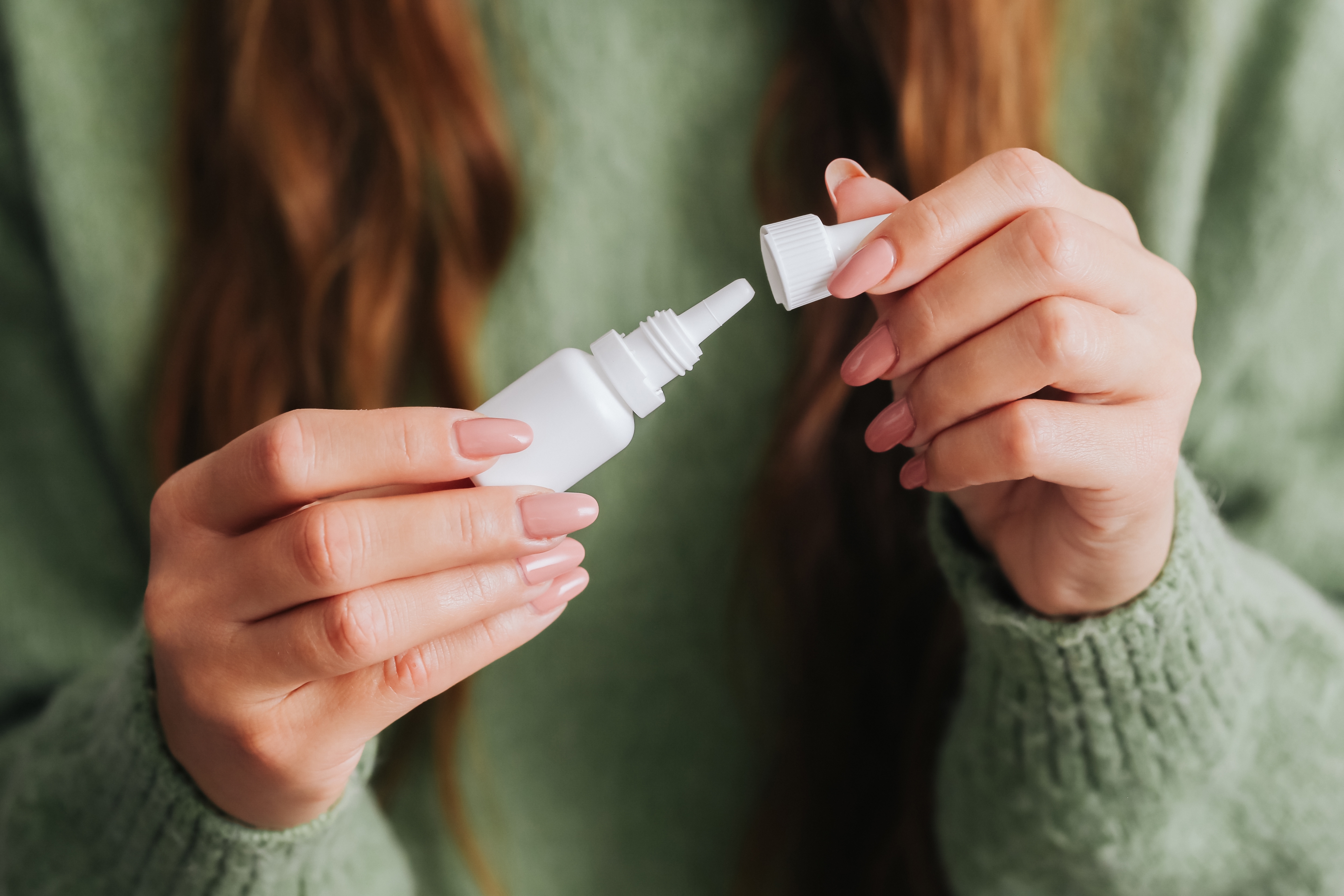
Dry, burning, irritated eyes can make everything from working on a computer to wearing contact lenses uncomfortable. Many people in McAllen reach for artificial tears when symptoms appear. While traditional eye drops can provide temporary moisture, they may not address the underlying problem responsible for recurring dry eye.
At TSO McAllen, we take a closer look at what is causing your symptoms. For patients with evaporative dry eye or meibomian gland dysfunction, OptiLIGHT may offer a more targeted approach to managing the condition.
Why Eye Drops May Only Provide Temporary Relief
Over-the-counter lubricating eye drops are useful for adding moisture to the surface of the eyes. They can provide quick relief from mild dryness, burning, or a gritty sensation. However, that relief may fade quickly if the tear film continues to evaporate too rapidly.
One common reason for chronic dry eye is meibomian gland dysfunction. The meibomian glands in the eyelids produce oils that help prevent tears from evaporating. When these glands become blocked or inflamed, the tear film becomes unstable.
Signs that your dry eye may need more than occasional drops include:
- Frequent burning, stinging, or irritation
- Red or watery eyes
- Blurry or fluctuating vision
- Sensitivity to light
- Difficulty wearing contact lenses
- Needing artificial tears several times throughout the day
If symptoms continue despite using drops, a comprehensive dry eye evaluation in McAllen can help identify the cause.
How OptiLIGHT Targets Dry Eye Differently
OptiLIGHT by Lumenis uses intense pulsed light, or IPL, delivered to the area around the eyes. The treatment is designed to reduce inflammation associated with dry eye disease and support healthier meibomian gland function.
Improving gland function can help restore the oily layer of the tear film, which may allow tears to remain on the eyes longer instead of evaporating too quickly. Rather than simply adding temporary lubrication, OptiLIGHT is intended to address factors contributing to chronic evaporative dry eye.
Treatment is noninvasive and performed in our McAllen office. OptiLIGHT is generally provided as a series of sessions, with the specific treatment plan based on your symptoms, gland health, and dry eye evaluation.
OptiLIGHT or Eye Drops - Which Is Right for You?
It does not always have to be one or the other. Artificial tears may still be useful for additional comfort, while prescription medications or other dry eye therapies may also be recommended depending on your condition.
The important difference is that persistent dry eye deserves a personalized treatment plan. If meibomian gland dysfunction or inflammation is driving your symptoms, repeatedly applying lubricating drops alone may not provide the level of relief you need.
At TSO McAllen, we evaluate your tear film and meibomian glands to determine which treatments are appropriate for your specific type of dry eye. For some McAllen patients, OptiLIGHT can become an important part of a longer-term dry eye management strategy.
Schedule a dry eye evaluation with TSO McAllen in McAllen, TX at (956) 200-2020 to find out whether OptiLIGHT can help you achieve more comfortable, lasting dry eye relief.
