
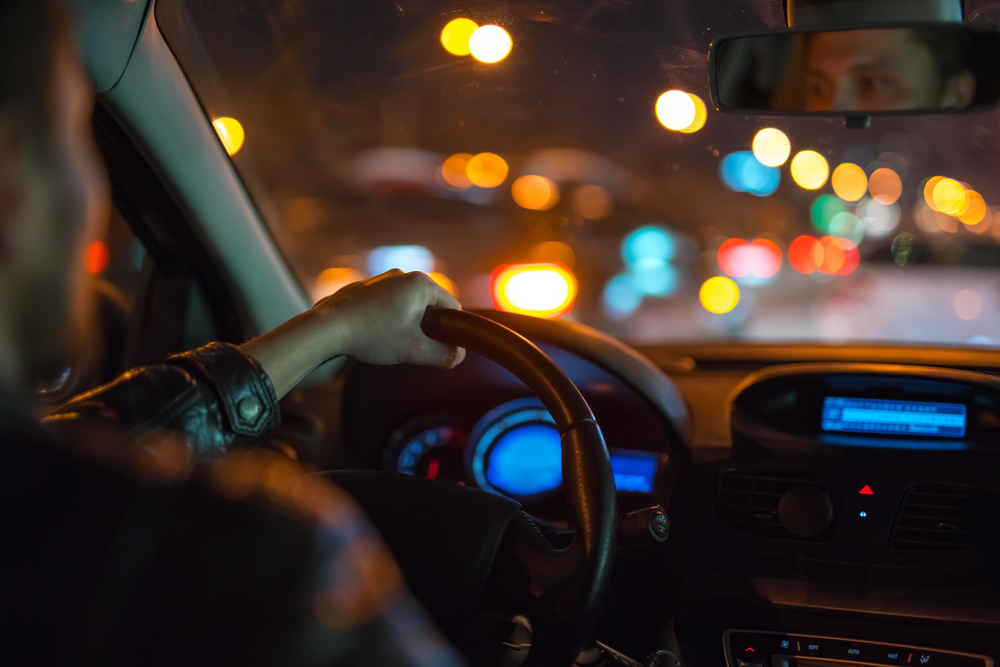
Night Driving Glare on Expressway 83? How Specialized Lenses Can Help With Starbursts and Halos
Headlights should not turn your evening commute into a struggle to see the road. If lights look streaky or surrounded by glowing rings while driving on Expressway 83, your prescription, glasses, or eye health could be contributing. At Bethel Vision Care in McAllen, we help identify the cause of night driving glare and recommend options based on what your eyes need.
Why Headlights Look Like Starbursts or Halos
Starbursts are rays or streaks that appear to spread outward from a light. Halos look like rings around headlights or streetlights. These effects can become more noticeable in dim conditions as your pupils widen.
Uncorrected astigmatism can distort how your eyes focus light, making nighttime vision less clear. An outdated prescription, dry eye, and cataracts can also contribute to glare or halos. That is why we start with an eye exam rather than assuming every driver needs the same lens upgrade.
How Prescription Lenses and Coatings Can Help
For McAllen drivers with nearsightedness or astigmatism, an accurate prescription may improve distance clarity and reduce distortion related to an uncorrected refractive error. Specialized lens recommendations should address the problem identified during your exam.
Anti-reflective coatings reduce reflections from the surfaces of your eyeglass lenses. This can make distracting reflections less noticeable around headlights and other bright lights. The coating works on your glasses, however, and does not remove cataracts or treat dry eye.
We can review your current eyewear and discuss whether updating your prescription or choosing clear lenses with an anti-reflective coating may help. No lens can guarantee glare-free night driving.
Why Tinted Night Driving Glasses Are Not a Quick Fix
Yellow-tinted glasses are often marketed for nighttime driving, but research has not shown that these products improve pedestrian detection compared with clear lenses. Tinted lenses also reduce the amount of light reaching your eyes, which is a concern after dark. Sunglasses and dark polarized lenses should be reserved for appropriate daytime use.
Simple Ways to Reduce Added Glare
Along with checking your vision, we recommend a few practical steps before your next evening drive through McAllen:
Clean your glasses to remove smudges that can interfere with clarity.
Clean your windshield inside and outside to reduce distracting reflections.
Keep headlights clean and properly maintained.
Avoid driving at night if glare prevents you from seeing clearly and safely.
When Nighttime Vision Changes Need Attention
If halos are new, worsening, or making road signs difficult to read, schedule an eye exam. Our team can evaluate your prescription and look for eye health concerns that require care beyond new glasses.
Sudden halos with severe eye pain, redness, nausea, or blurred vision require immediate medical attention. Do not drive yourself for care.
If night driving glare is making Expressway 83 uncomfortable, schedule an eye exam with Bethel Vision Care in McAllen, TX, by calling (956) 200-2020. We can help you understand your symptoms and explore lens options for your vision needs.
