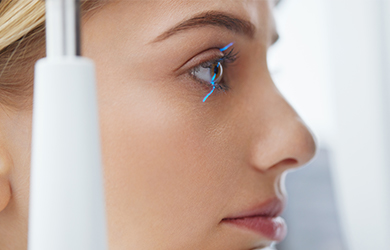
Dry eye is a common eye condition affecting millions of Americans. It’s marked by a dry, gritty sensation that leads individuals to rub their eyes throughout the day, which can harm eye health.
Ongoing dry eyes can lead to several complications, but eye floaters aren’t one of them. These are two distinct eye conditions that affect different components of the eye’s structure. Dry eyes impact the eye’s corneal surface, while floaters occur because of changes in the vitreous humor.
All About Dry Eyes
Dry eyes develop when your tears can’t provide adequate moisture and lubrication to the eye’s surface. This is typically caused by reduced tear production or increased tear evaporation resulting from an unstable tear film.
The tear film plays an important role in maintaining eye health and comfort. A balance of water, oil, and mucus work together to keep the eyes lubricated and free from irritants.
The tear film becomes unstable when this balance is disrupted, leading to dryness. Without a stable tear film, the eyes are left vulnerable to irritants and infections, compounding the effects of dryness.
There are two main types of dry eyes:
Aqueous Dry Eye: This develops because the lacrimal glands along the eyelids cannot produce enough tears to keep the eye’s surface properly moisturized.
Evaporative Dry Eye: This develops when tears evaporate too quickly from the eye’s surface and is most often related to Meibomian Gland Dysfunction (MGD), where the meibomian glands along the eyelids become clogged.
There are several symptoms associated with this condition, some of the most common of which include:
Blurry vision
Redness
Excessive tearing
Burning sensation
Light sensitivity
Dry eyes can be caused by several factors including:
Age
Environmental conditions like smokey, windy, or dry climates.
Lifestyle factors like improper contact lens management and prolonged exposure to digital devices.
Chronic medical conditions and certain medications.
Dry eyes are common and aren’t necessarily a serious condition. However, the condition can cause discomfort and irritation.
Leaving dry eye disease unmanaged can aggravate the condition and increase an individual’s risk of developing serious complications, highlighting the importance of dry eye management.
Visiting your optometrist for a dry eye consultation plays a key role in management of dry eye. These visits help determine the underlying cause of dryness and its severity and allow your optometrist to examine the health of both your eyes and tear film.
Dry eye consultations also allow your optometrist to develop a personalized therapy plan for your dryness to help reduce symptoms and provide long-term relief.