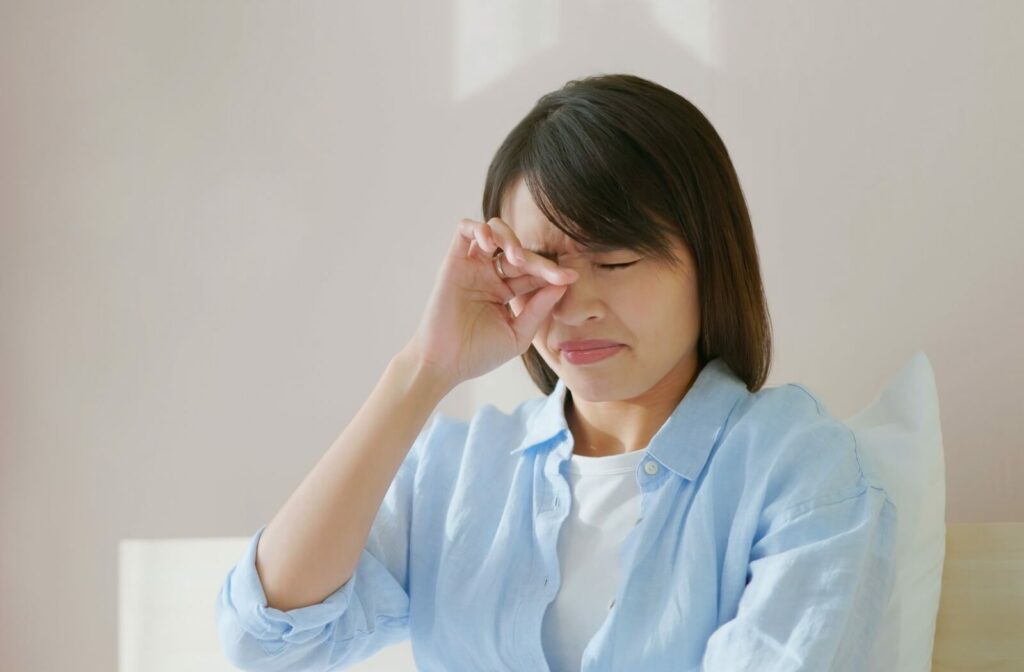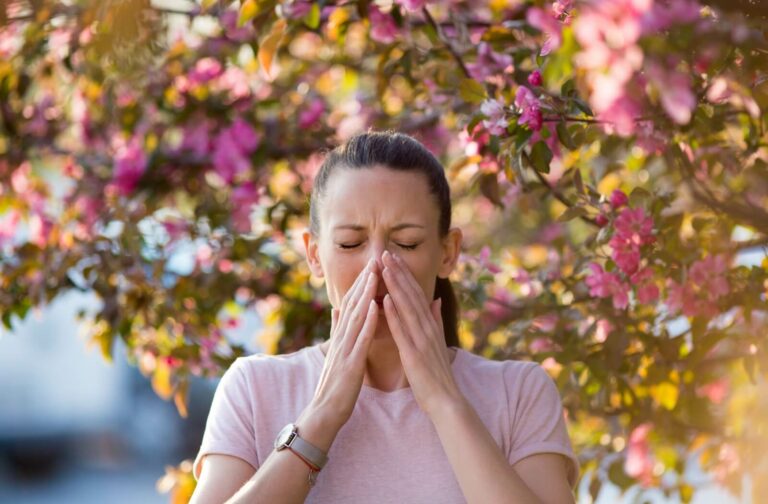
Allergies can turn a perfectly sunny day into a blur of sniffles, sneezes, and that all-too-familiar sensation of dry, irritated eyes. Yes, allergies can absolutely cause dry eyes, and it’s more common than you might think.
Of course, allergies aren’t the only cause of dry eye, but understanding the source can help you find relief. This is why getting an eye exam is so important. Whether it’s pollen in the air or pet dander at home, this connection between your environment and your eyes can throw off your entire routine—affecting how you see the world.
What Is Dry Eye?
Dry eye is a common condition that affects people of all ages. It occurs when your eyes produce fewer tears or tears of poor quality. Your tears may seem simple, but they’re made up of 3 layers that help your eyes stay hydrated and protected. These layers are:
The mucus layer: Keeps tears adhered to the surface of your eyes.
The watery layer: Moisturizes and shields your eyes.
The oily layer: Protects tears from rapid evaporation.
When these layers are healthy, you can enjoy nice, comfortable vision. But, if anything disrupts the glands responsible for these layers, your tears might not work as they should, leading to many frustrating symptoms, including:
Red eyes
Blurry vision
Light sensitivity
A burning or scratchy sensation
Mucus in or around the eyes
Feeling like something is in your eye
Trouble wearing contact lenses comfortably
Excessively watery eyes without relief
Environmental factors like wind, heat, or screen time, along with conditions such as age, gender, diet, and medications, can all raise your risk of dry eye disease.
Mild dry eye can be annoying, but don’t brush it off! If left untreated, it can lead to infections or even corneal scarring.
How Allergies Affect Your Eyes
Allergens are substances that are normally harmless. However, they can trigger an overreaction in some people’s immune systems. These allergic reactions can affect every part of the body, including the eyes. Eye allergies, or allergic conjunctivitis, occur when allergens trigger a response in your eyes.
When allergens come into contact with your eyes, they cause your cells to release histamine. While histamine serves important roles in your body, it also kicks your immune system into overdrive during an allergic reaction. This overreaction can lead to inflammation, making it difficult for the glands in your eyelids to produce healthy tears.
3 common types of allergens may result in eye allergies:
Outdoor allergens like pollen.
Indoor allergens such as dust mites, pet dander, or mold.
Irritants like cigarette smoke, perfumes, or car exhaust.
Scratching or rubbing your eyes during a reaction is tempting—but it can worsen the situation. It can further irritate dry eye symptoms or damage your cornea, the transparent dome at the front of your eye.
Beyond dry eyes, symptoms of eye allergies can include:
Itchy eyes
Swollen eyelids
Burning or irritation
Redness
Light sensitivity
Watery eyes